Ready to Experience Security You Can Trust?
Partner with Global Security Patrol and gain a dedicated team committed
to protecting what matters most—day and night.
to protecting what matters most—day and night.


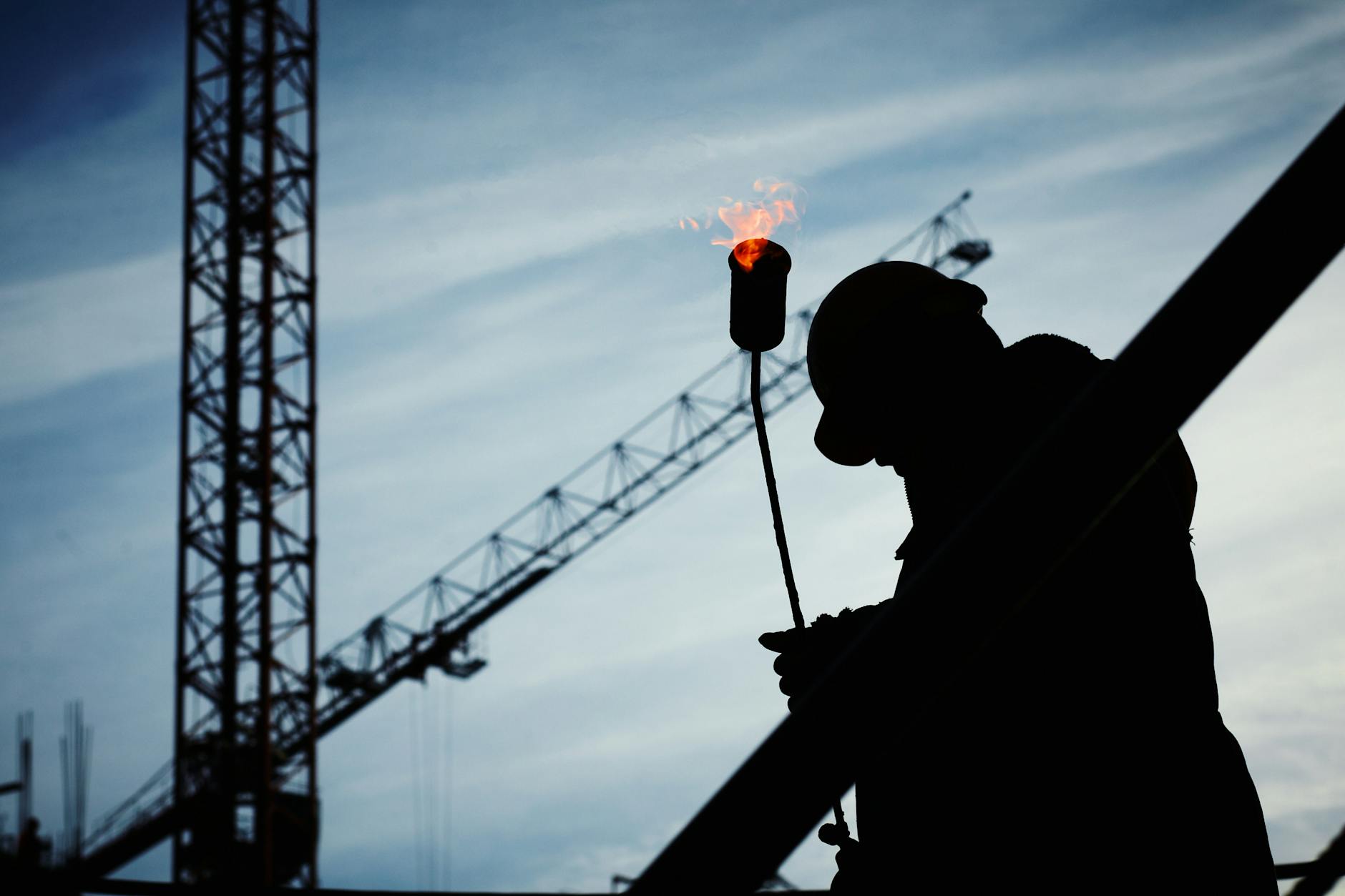
Fire watch requirements are often misunderstood because OSHA is only one part of the compliance equation. While OSHA establishes minimum workplace safety standards, fire watch obligations frequently involve local fire codes, fire marshals, and insurance carriers.
This article explains what OSHA requires for fire watch, when those requirements apply, and why OSHA compliance alone may not be sufficient on Washington job sites.
OSHA requires fire watch primarily during hot work operations when sparks, heat, or slag could ignite combustible materials. Fire watch personnel must remain vigilant during work and for a designated period after completion.
OSHA fire watch requirements appear most often under:
OSHA establishes minimum safety expectations, not full fire-code compliance.
Fire watch is required when:
OSHA requires fire watch to continue after hot work is completed, but:
This is why OSHA compliance alone may not satisfy local authorities.
In Washington, local fire marshals often impose stricter fire watch requirements than OSHA alone.
Proper fire watch documentation typically includes:
Incomplete or missing logs can result in compliance failures.
Washington job sites must comply with:
Failure to meet any one of these can trigger stop-work orders or insurance issues.
Always confirm fire watch requirements with the local fire marshal, not just internal safety policies or OSHA guidance.
If your project includes:
you may be required to deploy compliant fire watch staffing immediately.
Global Security Washington provides trained fire watch personnel who understand OSHA standards and local Washington fire-code requirements.