Ready to Experience Security You Can Trust?
Partner with Global Security Patrol and gain a dedicated team committed
to protecting what matters most—day and night.
to protecting what matters most—day and night.


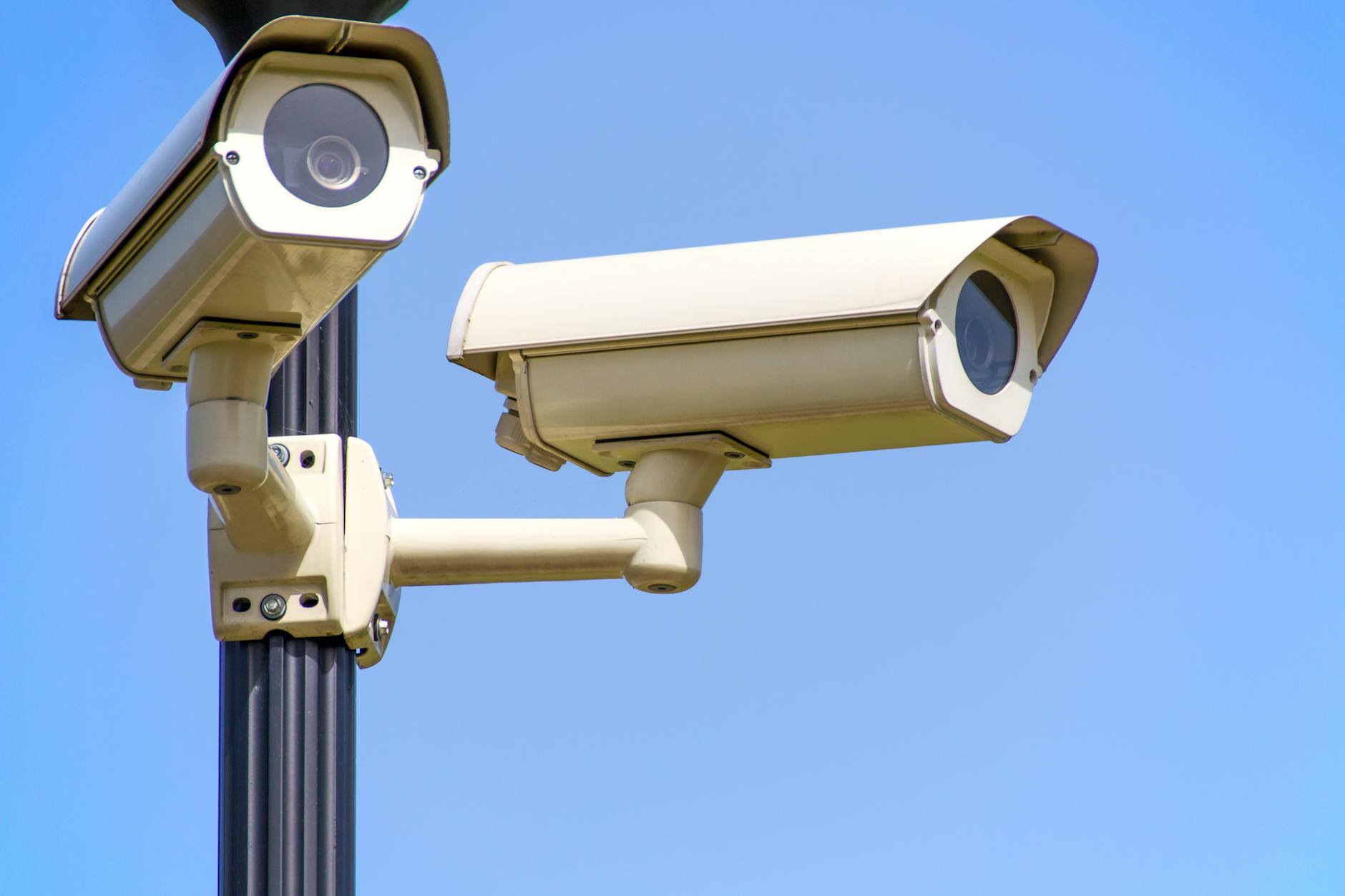
There is no single “best” camera for every construction site. The right camera depends on site size, layout, hours of operation, theft risk, and whether monitoring and response are required.
Construction environments are harsh, temporary, and high-risk. Cameras selected without considering these realities often fail to prevent theft or provide usable evidence.
This guide explains what makes a camera effective on a construction site and how to choose the right camera setup for real-world jobsite security.
Construction sites differ from permanent facilities because they:
Cameras must support deterrence, detection, and documentation, not just recording.
Construction cameras should be:
Consumer-grade cameras often fail in these conditions.
Most construction theft occurs overnight.
Effective cameras include:
Poor night performance renders footage unusable.
Cameras positioned too low are easily avoided or vandalized.
Elevated placement allows:
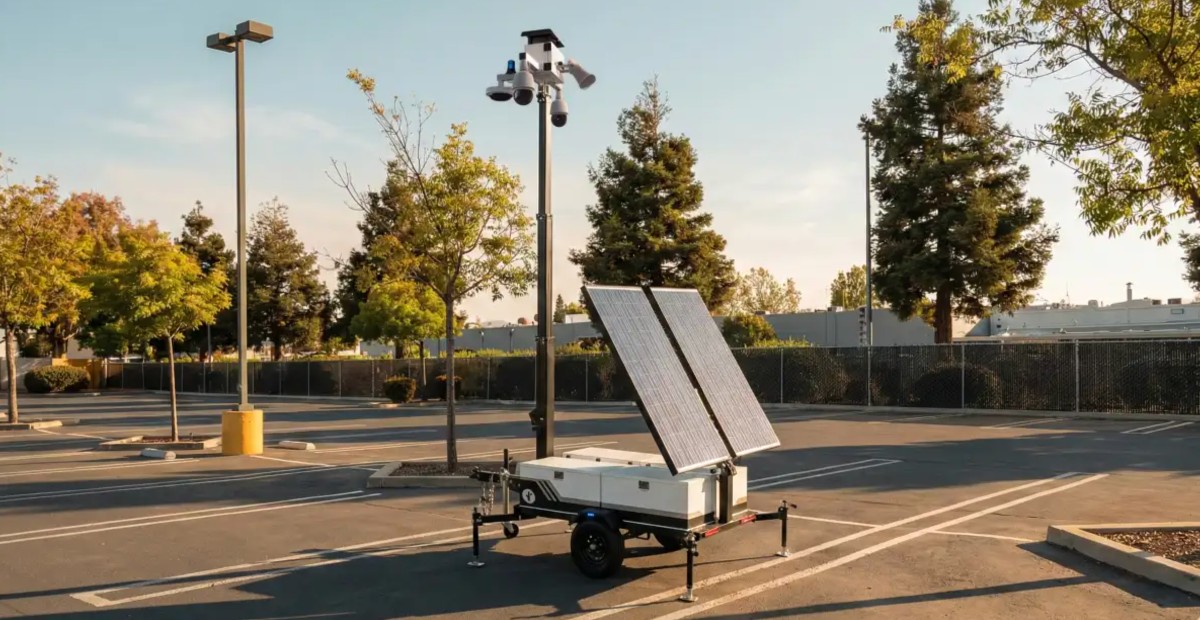
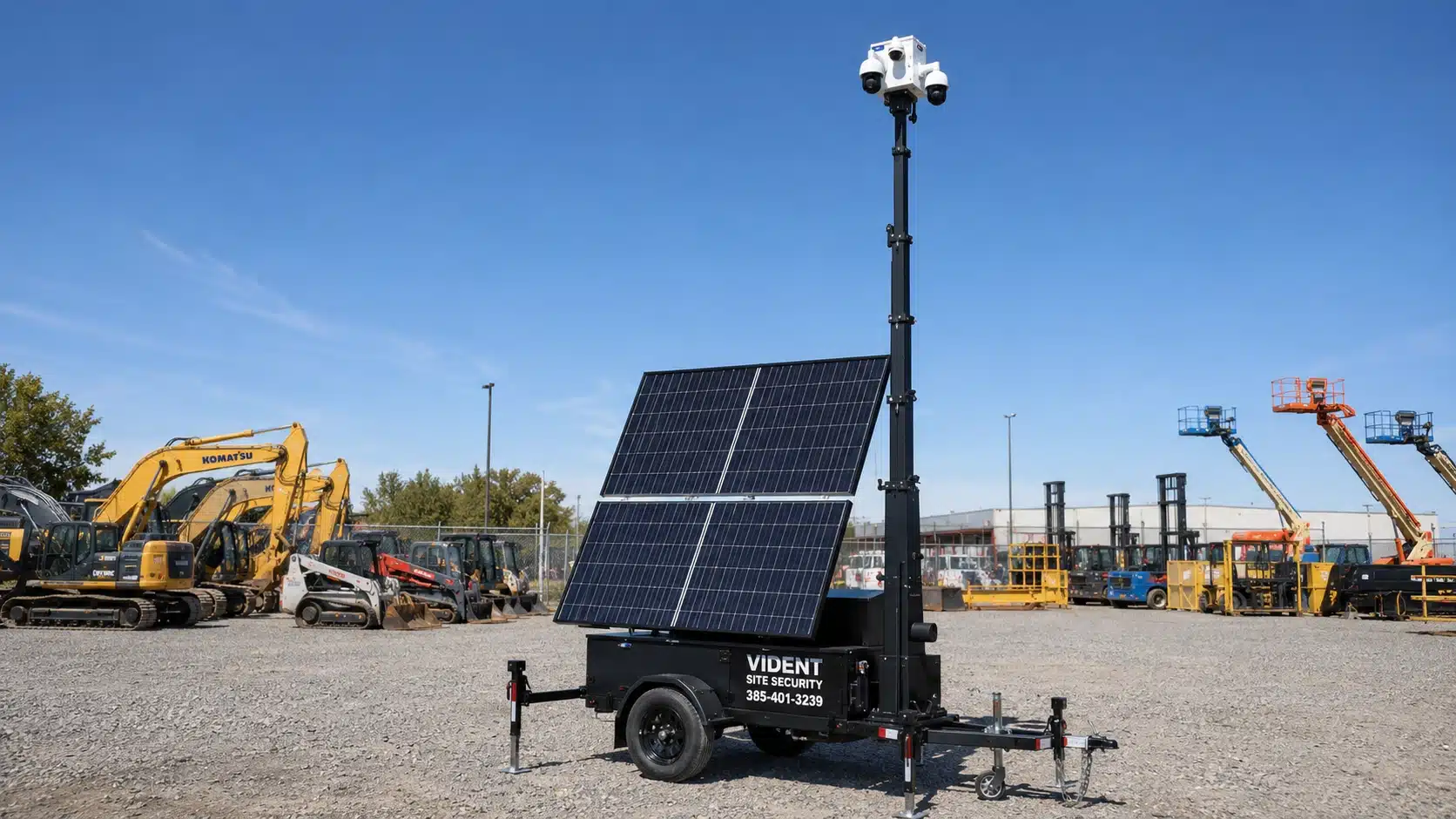
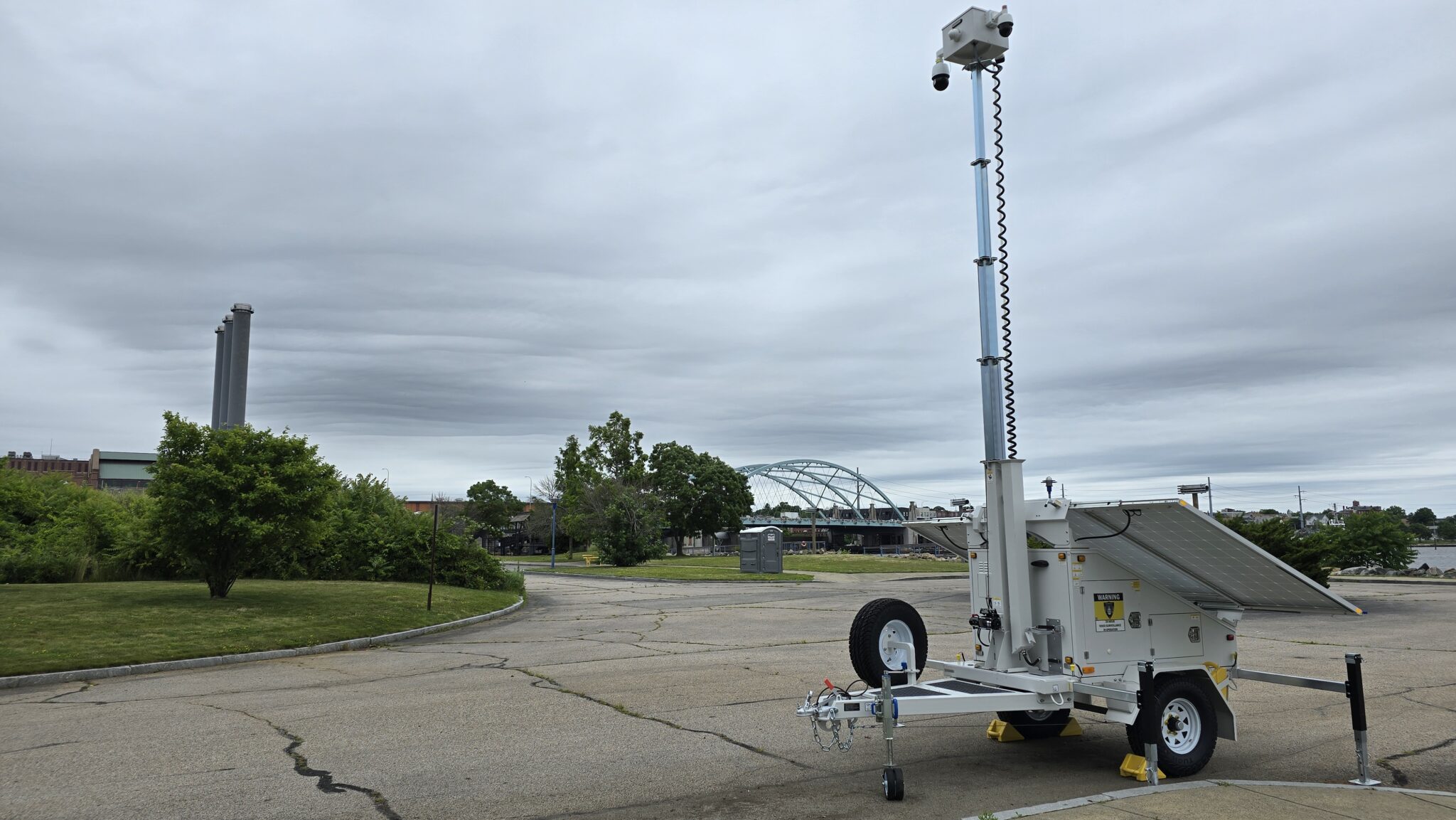
This is why mobile surveillance trailers are commonly used on construction sites.
Construction cameras must operate without relying on site Wi-Fi.
Look for systems that:
Recording alone documents theft after it happens.
Cameras paired with live monitoring allow:
For theft prevention, monitoring matters more than resolution.
Fixed cameras work best for:
Mobile systems work best for:
Mobile surveillance trailers provide cameras, lighting, power, and connectivity in one deployable unit.
The most effective construction camera setups combine cameras with live monitoring and response, not just recording.
If you’re deciding what camera setup is right for your construction site, professional guidance can prevent blind spots, wasted spend, and theft losses.
Global Security Washington / Global Security Patrol provides construction-site camera solutions, including mobile surveillance trailers with monitoring and response support across Washington State